There are cities you pass through, and then there are cities that stay with you. Shkodra belongs to the second kind.
It does not try to impress loudly. It reveals itself slowly, in layers of movement, memory, and quiet beauty. The more present you are, the more it gives.
The Pedestrian Heart of Shkodra
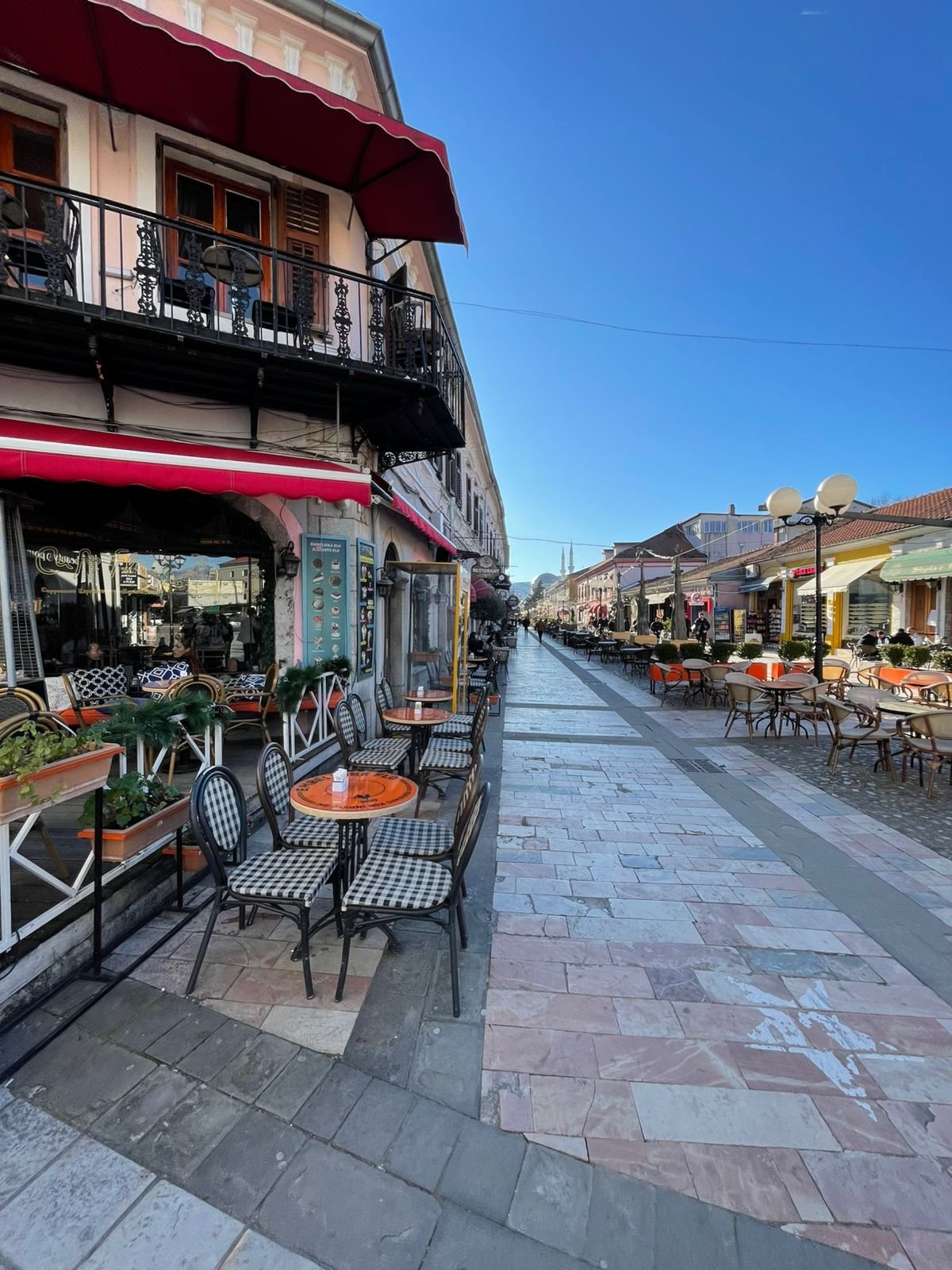
Back in the city, the pedestrian streets carry a different kind of energy. This is where Shkodra becomes human in the most beautiful way.
A slow walk here is never just a walk. It is a rhythm. Cafés spill into the streets, filled with conversation and laughter. Small shops hold stories in their details. Life unfolds naturally, without needing attention.
Nothing feels rushed. Nothing feels forced.
There is something deeply grounding in this atmosphere. You are not here to check places off a list. You are here to exist within the moment.
And somewhere between one step and the next, you begin to understand a quiet philosophy. Life is not meant to be consumed quickly. It is meant to be lived, gently and fully.
Marubi, Witness Museum and the Memory of a City
To understand Shkodra, you eventually step into its memory.
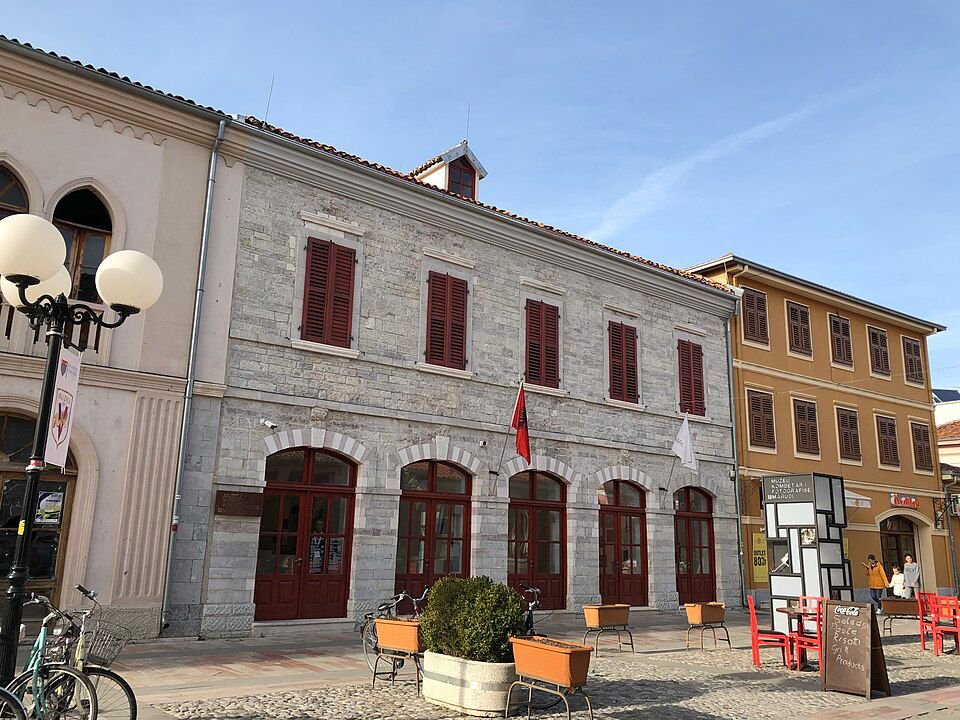
The Marubi National Museum of Photography holds faces from another century. Strangers look back at you, yet something about them feels familiar. Their expressions carry stories you cannot fully know, but somehow still recognize.
It is not just photography. It is time made visible.
Then comes the Site of Witness and Memory Museum, a space that feels more intimate, more reflective. Here, history is not distant or abstract. It becomes personal. You feel the weight of silence, the strength of resilience, and the complexity of identity shaped over time.
Together, these places gently remind you that a city is not only what you see. It is what it remembers.
Not far from the city, the Mesi Bridge stretches across flowing water. Its stone arches feel timeless, grounded, and calm.
Standing there, you do not feel like you are looking at history. You feel like you are inside it.
Faith, Stone and Quiet Coexistence
Shkodra speaks softly when it comes to faith.
Churches and mosques exist side by side, not as contrasts, but as parts of the same story. There is no need for comparison. There is only coexistence.
Walking between them, you feel a kind of balance that is rare. Diversity here does not ask for attention. It simply exists, naturally woven into everyday life.
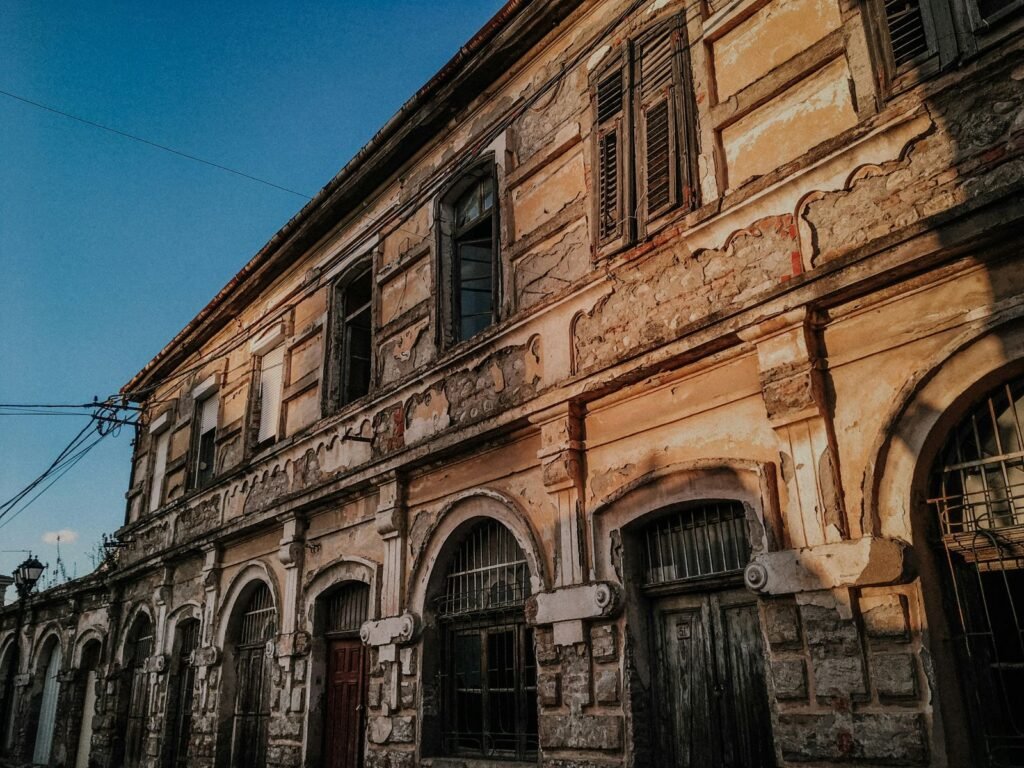
The architecture carries centuries within it. Stone, light, and space come together in a quiet expression of belief and continuity.
A Feeling That Stays
Shkodra does not overwhelm you with spectacle. It does something more subtle, and perhaps more powerful.
It slows you down. It opens space for reflection. It reminds you that beauty is often found in simplicity, in memory, and in the way people live their everyday lives.
And when you leave, you carry something with you. Not just images, but a feeling.